
Choosing the right worktop material ranks among the most critical decisions in any kitchen or bathroom project. Worktops must withstand daily use, support the overall design, and remain practical to clean and maintain over time.
Designers and homeowners increasingly compare microcement worktops with established surfaces such as quartz and granite. While all three materials perform well in their respective contexts, they differ significantly in flexibility, detailing, and long-term adaptability.
At Forcrete, we shape our perspective through real-world specifications, installer insights, and long-term performance across residential and commercial environments.
This guide compares microcement worktops with quartz and granite, highlighting where each material performs best and why microcement is increasingly the preferred choice for contemporary interiors.

Microcement, quartz and granite worktops explained
What are microcement worktops?
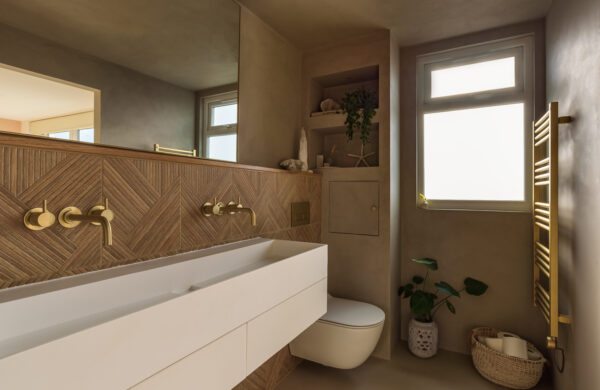
Microcement is a multi-layer, cement-based coating that installers apply by hand and protect with specialist sealers. On worktops, microcement creates a seamless, continuous surface without grout lines or joints, which allows design continuity across worktops, splashbacks, and integrated features.
Installers apply microcement in situ, which means it can sit over existing substrates such as concrete, tiles, or engineered boards when the specification allows. This approach reduces material limitations and opens up design possibilities that slab-based surfaces cannot offer.
Forcrete develops its microcement systems specifically to deliver stability, durability, and consistent performance in high-use environments.
For a deeper overview, see our guide on understanding microcement finishes and how microcement works.
What are quartz worktops?
Manufacturers produce quartz worktops from crushed quartz combined with resin binders and pigments. Fabricators create slabs under controlled conditions before cutting and installing them on site.
Quartz remains popular in domestic kitchens because it delivers a uniform appearance, low porosity, and straightforward day-to-day cleaning. However, slab sizes and joint placement inevitably influence the final design.
What are granite worktops?
Granite is a natural stone that suppliers quarry in large blocks before cutting it into slabs. Each slab displays unique colour variation and veining, which many associate with traditional premium kitchens.
Granite offers strong heat resistance but requires regular sealing to manage porosity and staining, particularly in high-use areas.
Microcement vs quartz vs granite worktops at a glance
| Feature | Microcement | Quartz | Granite |
| Appearance | Seamless & bespoke | Uniform & consistent | Natural variation |
| Joints | Joint-free | Visible joins | Visible joins |
| Design flexibility | Very high | Moderate | Limited |
| Maintenance | Moderate | Low | Moderate to high |
| Heat resistance | Good with care | Limited | Very high |
| Repairability | Local repairs possible | Difficult | Difficult |
Design flexibility and aesthetic control
Microcement kitchen worktops
Microcement offers a level of design freedom that traditional stone-based materials cannot match. Because installers apply it by hand, microcement removes slab size constraints and supports:
- Seamless kitchen islands
- Integrated sinks and splashbacks
- Curved or bespoke detailing
- Minimalist and architectural interiors.
This flexibility allows designers to treat the worktop as part of the overall surface language rather than a standalone element. Microcement also pairs naturally with materials such as wood, metal, and glass, reinforcing continuity of materials throughout the space.
Quartz worktops
Quartz delivers consistent colour and pattern, making it suitable for projects that prioritise uniformity. However, visible joins and fixed slab dimensions can restrict more architectural layouts or integrated detailing.
Granite worktops
Granite provides a distinctive natural appearance, but its design limitations stem from quarry availability and slab matching. Larger or more complex layouts often require compromises in continuity.
Durability and everyday performance
Are microcement worktops durable?
Professionally installed and correctly sealed microcement worktops perform reliably under daily kitchen and bathroom use. They resist impact, general wear, and moderate heat exposure while maintaining surface continuity.
Unlike slab-based materials, microcement also allows localised repairs in many cases, extending the lifespan of the surface without complete replacement.
Like all worktop materials, microcement responds best to sensible use. Using chopping boards and heat protection helps preserve the surface. Our microcement care and maintenance resources provide further guidance.
Quartz worktop durability
Quartz resists scratching and staining due to its engineered composition. However, heat sensitivity remains a known limitation, particularly around hobs and cooking zones.
Granite worktop durability
Granite offers exceptional hardness and natural heat resistance. Its porosity remains the primary drawback, as unsealed surfaces can absorb liquids and stain over time.
Maintenance and cleaning requirements
Microcement worktop maintenance
Microcement worktops require consistent but straightforward care:
- Clean with pH-neutral products
- Avoid abrasive pads and harsh chemicals
- Reseal periodically, depending on usage.
Many clients consider this maintenance level a reasonable trade-off for seamless design, repairability, and long-term adaptability.
Quartz worktop maintenance
Quartz ranks among the lowest-maintenance worktop options. It does not require sealing and cleans easily with standard household products, though damaged areas usually require complete replacement.
Granite worktop maintenance
Granite requires ongoing sealing to maintain stain resistance. While daily cleaning remains simple, long-term care demands more attention than quartz or microcement.
Installation considerations
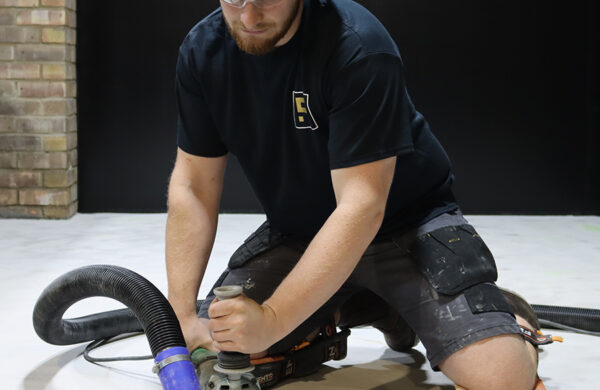
Microcement worktops demand specialist knowledge of substrates, moisture management, and sealing systems. Experienced professionals must install using proven systems to achieve consistent results.
Fabricators install quartz and granite efficiently once the slabs are produced, but templating fixes the design early, leaving little flexibility for late-stage changes.
During refurbishment projects, microcement can reduce demolition, disruption, and material waste because installers can often apply it over existing surfaces.

Which worktop material should you choose?
Choose microcement worktops if you value:
- Seamless, bespoke design
- Contemporary aesthetics
- Integrated and architectural detailing
- Long-term adaptability and repair potential.
Choose quartz worktops if you prioritise:
- Low day-to-day maintenance
- Consistent appearance
- Conventional installation processes.
Choose granite worktops if you want:
- Natural stone character
- High heat resistance
- A traditional premium finish.
No single material suits every project. However, microcement is increasingly appealing for projects where design continuity, flexibility, and surface integration matter most.
Frequently asked questions about microcement worktops
Are microcement worktops waterproof?
Correct sealing makes microcement worktops waterproof and suitable for kitchens and bathrooms.
Can microcement worktops be repaired?
Microcement allows localised repairs in many cases, unlike quartz or granite, which often require replacement.
Are microcement worktops suitable for commercial kitchens?
Designers specify microcement widely in commercial environments, including hospitality spaces, when the system and installation meet performance requirements.
How long do microcement worktops last?
Professional installation and proper care ensure microcement worktops perform reliably for many years. Correct system choice and maintenance play a critical role.
Final thoughts from Forcrete
At Forcrete, we guide surface selection through performance, design intent, and long-term value. Microcement worktops offer a unique combination of flexibility, continuity, and durability that traditional slab materials cannot replicate, while quartz and granite continue to perform well in more conventional applications.
If you are considering microcement for worktops or wider interior applications, experienced professionals and proven systems make the difference. Explore our microcement solutions or speak with a Forcrete specialist to ensure the right outcome for your project.