Microcement is increasingly specified for projects across South Africa as architects and designers seek refined, seamless surface finishes that perform in demanding environments.
From contemporary homes in Cape Town to commercial spaces in Johannesburg, the appeal lies in its ability to create continuous surfaces across floors, walls and exterior areas without the visual interruption of grout lines or joints.
At Forcrete, we specialise in high-performance microcement systems designed for durability, waterproofing and long-term aesthetic consistency. As interest in South Africa grows, understanding how the material performs and how to specify it becomes essential.
Why microcement is gaining traction in South Africa
South African architecture has long embraced natural light, open-plan layouts and a strong relationship between indoor and outdoor spaces.
We are seeing increased specification in open-plan residential projects where continuity between interior and exterior surfaces is central to the architectural concept.
Rather than relying on segmented finishes such as tiles, microcement allows surfaces to flow uninterrupted from one area to another. This is particularly valuable in properties that open onto terraces, patios and pool surrounds, where continuity enhances both visual impact and spatial perception.
There is also growing demand for materials that offer longevity with minimal maintenance. When installed as part of a professional system, microcement provides a hard-wearing, sealed finish suitable for both residential and commercial environments.
What is microcement?
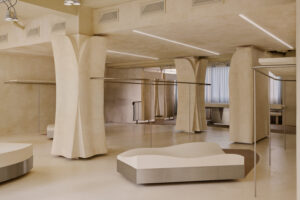
Microcement is a polymer-modified cement-based coating applied in thin layers over stable substrates such as concrete, screed or tiles. Unlike traditional concrete, it does not require structural depth, making it ideal for renovations as well as new builds.
Its minimal thickness, strong adhesion and design flexibility allow it to be used across floors, walls, bathrooms and exterior areas while maintaining a seamless finish.
How does microcement perform in warmer climates?
In regions with temperature variation, coastal exposure and high UV levels, performance depends on system quality and installation standards.
A professionally engineered system is designed to bond securely to prepared substrates, accommodate minor structural movement and maintain waterproof performance in wet areas. For exterior use, UV-stable sealers are essential to prevent long-term degradation.
When specified correctly, microcement performs reliably in both interior and exterior environments, even in warmer climates.
Microcement flooring in South Africa
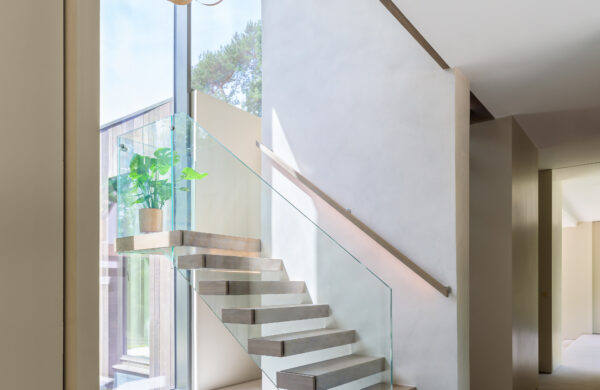
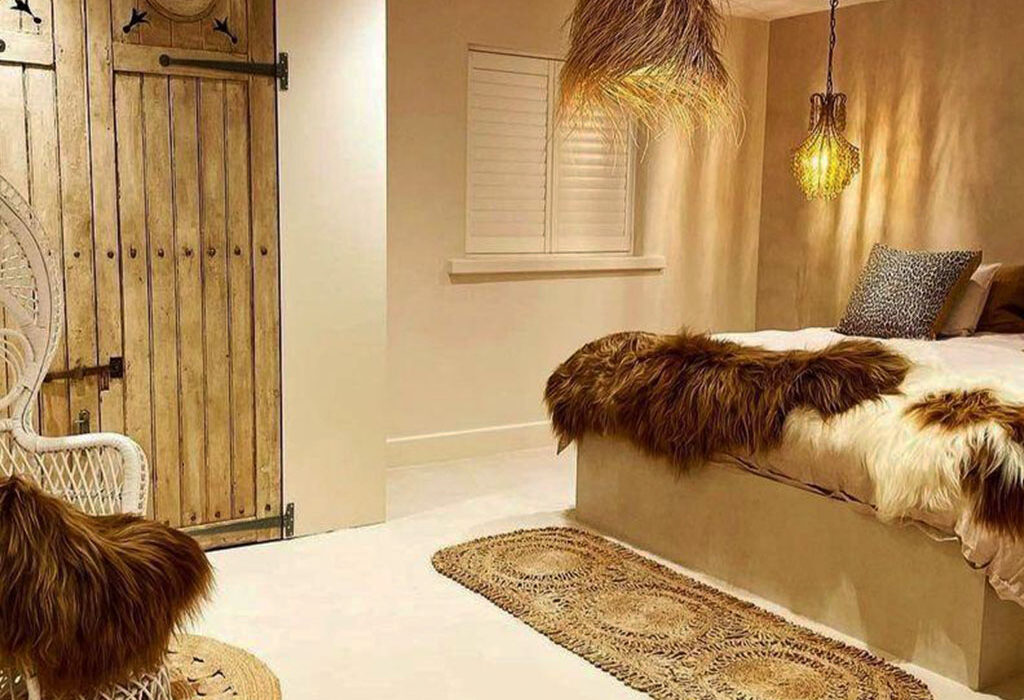
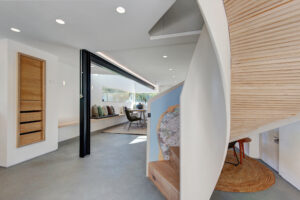
Seamless flooring is one of the most common applications. In modern South African homes, continuous floors enhance open-plan living areas and create a calm, architectural finish.
Microcement flooring is frequently specified for:
- Living areas
- Kitchens
- Hallways
- Retail and hospitality spaces.
Its minimal build-up thickness also makes it suitable for refurbishment projects with restricted floor heights.
You can find out more on our microcement flooring page.
Bathrooms and wet rooms without grout lines
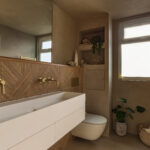
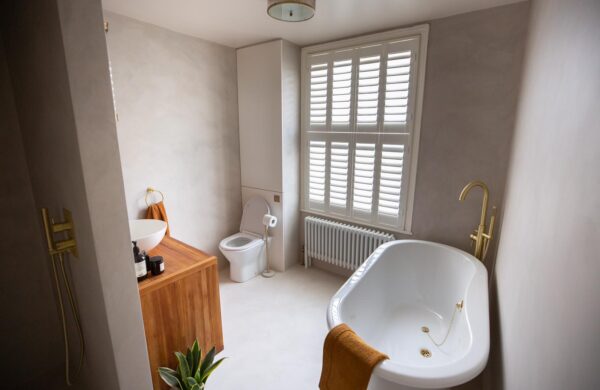
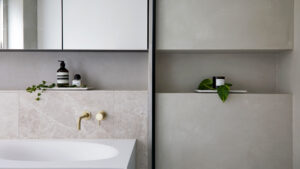
Bathrooms are another area where microcement is particularly effective. The absence of grout joints reduces maintenance and contributes to a cleaner, more contemporary aesthetic.
When installed correctly as part of a waterproof system, microcement can be used in:
- Walk-in showers
- Wet rooms
- Vanity units
- Feature walls.
For more information on performance in wet areas, visit Microcement bathrooms.
Exterior applications and pool surrounds
Given South Africa’s outdoor lifestyle, the ability to extend finishes beyond the interior is a major advantage.
Microcement can be applied to:
- Terraces
- Patios
- Pool decks
- External staircases.
Slip-resistant sealers and UV-stable finishes are essential to ensure long-term durability in exposed conditions. When specified correctly, the same material can unify interior and exterior spaces without visual interruption.
Explore more about using microcement outdoors.
Microcement compared to tiles and polished concrete
Tiles remain common across South Africa, particularly in bathrooms and kitchens. However, grout lines require ongoing maintenance and visually divide surfaces.
Polished concrete offers continuity but typically involves greater structural depth and installation complexity.
Microcement provides a balance between the two, delivering:
- A seamless appearance
- Minimal thickness
- Flexible application over existing substrates
- A refined, modern finish.
For projects focused on design precision and spatial flow, it offers a compelling alternative.


What factors influence the cost of microcement in South Africa?
Project cost depends on several variables, including:
- Surface preparation requirements
- Substrate condition
- Total area
- Application complexity
- Installer expertise.
As with any specialist finish, the quality of the system and the installer’s skill directly affect longevity. A professionally specified microcement system is designed to perform for many years with appropriate maintenance.
Choosing a microcement system for projects in South Africa
Not all microcement products are formulated to the same standards. When selecting a supplier, consider:
System integrity
A complete system should include primers, base coats, finishing coats and compatible sealers designed to work together.
Waterproof performance
Wet areas require a fully waterproof specification rather than a decorative coating alone.
Installer training
Microcement is a skilled application. Correct preparation and controlled layering determine the final result.
At Forcrete, our systems are developed to deliver consistent performance across varied climates and project types. You can review the full specification on our microcement systems page.
Frequently asked questions about microcement in South Africa
Is microcement suitable for coastal areas such as Cape Town?
Yes. With the correct primers and sealers, microcement performs well in coastal environments. Proper substrate preparation and professional installation are essential.
Can microcement be applied over existing tiles?
Yes. Provided the tiles are stable and properly prepared, microcement can be applied directly over them, making it ideal for renovation projects.
Is microcement waterproof?
When installed as part of a complete system, microcement can be fully waterproof and suitable for wet rooms and showers.
How long does microcement last?
Poor preparation is the primary cause of failure. The material itself is rarely the issue. A professionally applied system can provide many years of service in both residential and commercial settings.
Does microcement crack in hot climates?
Microcement is more flexible than traditional concrete. Cracking is typically linked to substrate movement or incorrect installation rather than temperature alone.
The future of microcement in South Africa
As architectural trends continue to favour seamless design and material continuity, interest in microcement across South Africa is expected to grow.
From residential interiors to outdoor living spaces, it offers a refined, durable finish aligned with contemporary design principles. When specified and installed correctly, it provides both aesthetic impact and long-term performance.
For architects, designers and contractors exploring microcement solutions, selecting a professionally engineered system is fundamental to achieving consistent results.
Are you working on a project in South Africa? Contact us today to discuss how we can help bring it to life.